Chemical Peels 101: Types, Benefits, and What to Expect
Posted on 2/16/2026 by The Facial Center |
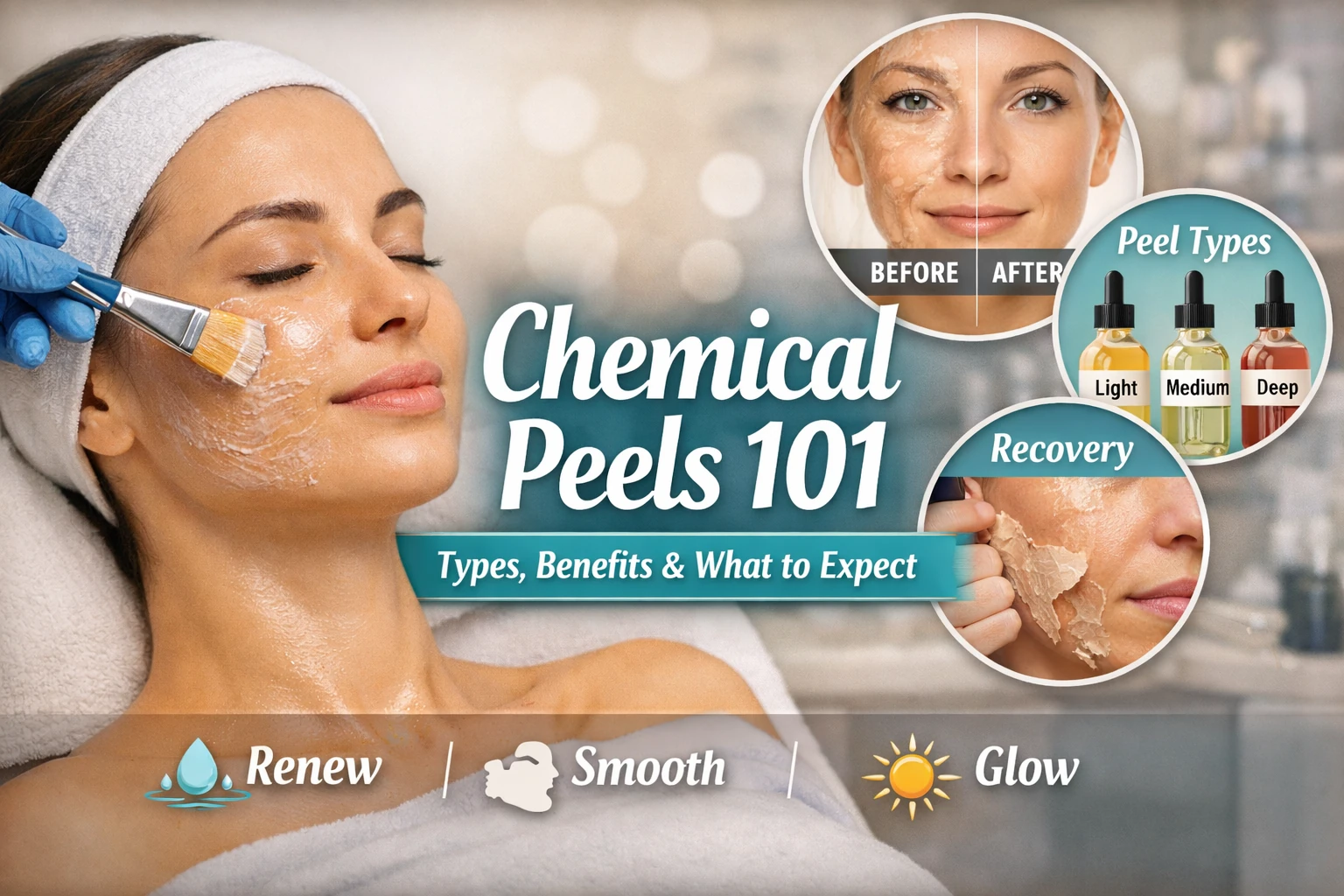 Chemical peels are one of the most versatile and effective treatments available for improving skin tone, texture, and overall clarity, and they remain a top request at our Charleston, WV office. Whether you’re dealing with stubborn acne scars, sun damage, uneven pigmentation, or early signs of aging, a chemical peel can help reveal fresher, healthier skin beneath the surface. Yet many people still have questions about how peels actually work, which type is best for their concerns, and what recovery really looks like. Chemical peels are one of the most versatile and effective treatments available for improving skin tone, texture, and overall clarity, and they remain a top request at our Charleston, WV office. Whether you’re dealing with stubborn acne scars, sun damage, uneven pigmentation, or early signs of aging, a chemical peel can help reveal fresher, healthier skin beneath the surface. Yet many people still have questions about how peels actually work, which type is best for their concerns, and what recovery really looks like.
This guide covers everything you need to know before booking your first (or next) chemical peel. We’ll walk through the different peel depths, the skin concerns each one targets, what happens during your appointment, and how to care for your skin afterward. By the end, you’ll have a clear picture of whether a chemical peel is the right fit for your goals.
On This Page
What Is a Chemical Peel?
A chemical peel is a professional skin resurfacing treatment that uses a specially formulated acid solution to remove damaged outer layers of skin. As those layers shed, new skin cells rise to the surface. The result is smoother, more even-toned skin with fewer visible imperfections.
The concept is straightforward, but the science behind it matters. The acid solution creates a controlled exfoliation that goes deeper than anything an at-home scrub or serum can achieve. Depending on the peel’s strength and formulation, it can target anything from mild dullness to deeper wrinkles and scarring.
Chemical peels have been used in dermatology and aesthetics for decades. Today’s formulations are more refined than ever, allowing providers to customize the treatment to each person’s skin type and goals. Our team performs peels regularly across a range of skin concerns, and the treatment remains popular because it delivers visible results without the extended downtime of more invasive procedures.
Types of Chemical Peels
Not all chemical peels are the same. They’re grouped by depth, and each level addresses a different range of skin concerns. Understanding the differences helps you and your provider choose the right option.
Superficial (Light) Peels
Light peels use mild acids such as alpha hydroxy acids (like glycolic or lactic acid) or beta hydroxy acids (like salicylic acid). These peels target only the outermost layer of skin, known as the epidermis. They’re a great starting point for first-time peel patients and work well for mild discoloration, rough texture, and minor breakouts.
Recovery from a light peel is minimal. You may notice slight redness or flaking for a day or two, but most people return to their normal routine right away. Light peels are often repeated in a series to build cumulative results over time.
Medium-Depth Peels
Medium peels penetrate past the epidermis and into the upper portion of the dermis. Trichloroacetic acid (TCA) is one of the most common agents used at this level. These peels address moderate sun damage, deeper pigmentation, acne scarring, and fine lines more effectively than a superficial peel.
One popular medium-depth option is the VI Peel, which blends multiple acids with skin-nourishing ingredients to treat a wide range of concerns while keeping discomfort manageable. Medium peels typically involve several days of noticeable peeling and redness, so planning a few days of social downtime is a good idea.
Deep Peels
Deep peels use stronger agents, such as high-concentration TCA or phenol, to reach the lower layers of the dermis. They produce the most dramatic results for severe sun damage, deep wrinkles, and significant scarring. However, deep peels require more involved preparation, longer recovery, and carry a higher risk of side effects.
Because of these factors, deep peels are less commonly performed in a spa setting and are typically reserved for specific clinical cases. Your provider will help determine whether a lighter or medium-depth approach can achieve your goals before recommending a deeper treatment.
Benefits of Chemical Peels
Chemical peels address a surprisingly wide range of skin concerns, which is part of what makes them so popular among our Charleston and Teays Valley clients. Here are some of the key improvements a peel can deliver.
Peels are highly effective at reducing hyperpigmentation, including sun spots, melasma patches, and post-inflammatory dark marks left behind by acne. By removing the damaged outer skin, the discoloration fades and a more even complexion emerges. For residents in West Virginia who spend time outdoors, this is one of the most requested benefits.
Fine lines and early wrinkles also respond well to chemical peels, particularly medium-depth treatments. The controlled exfoliation stimulates collagen production in the deeper layers of skin, which gradually improves firmness and smoothness over the weeks following treatment.
Acne-prone skin benefits in two ways. Salicylic acid peels can help clear active breakouts by dissolving the oil and debris clogging pores. Over time, a series of peels also helps reduce the appearance of acne scars and post-breakout marks. If acne is a primary concern, peels are often combined with regular facials for the best long-term results.
Texture and tone improvements are another major draw. If your skin looks dull, feels rough, or has visible pore congestion, a chemical peel essentially resets the surface. Many patients tell us their skin feels noticeably softer and looks brighter within a week of treatment.
What to Expect During and After Treatment
Knowing what happens before, during, and after a chemical peel takes the guesswork out of the experience. Here’s a realistic walkthrough based on what we see with our patients every week.
Before Your Peel
Your provider will evaluate your skin type, review your concerns, and recommend the peel depth and formulation that best fits your goals. You may be asked to prepare your skin for a week or two beforehand by using specific cleansers or avoiding certain products like retinoids. This preparation step helps your skin respond more evenly to the peel solution.
During the Treatment
The peel itself typically takes 20 to 30 minutes. After cleansing your face, your provider applies the acid solution in a controlled manner. You’ll likely feel a tingling or warm sensation; with superficial peels, this is mild, while medium peels can feel more intense for a few minutes. Your provider monitors your skin’s response throughout the process and neutralizes the solution when the appropriate level of penetration is reached.
After Your Peel
Recovery depends on the peel depth. With a light peel, you may have mild redness that resolves within a few hours. Medium peels often involve visible peeling and flaking that lasts three to seven days. During this time, your skin is more sensitive than usual.
Post-peel care is essential to protect your results. You’ll need to keep your skin moisturized, avoid picking or peeling flaking skin, and wear sunscreen consistently. Sun protection is especially important because freshly peeled skin is significantly more vulnerable to UV damage. Your provider will give you specific aftercare instructions tailored to the peel you received.
Is a Chemical Peel Right for You?
Chemical peels work well for most skin types, but certain factors can affect your candidacy or influence which peel your provider recommends. Here are a few things to consider.
If you have active cold sores, open wounds, or a current skin infection in the treatment area, your provider will likely ask you to wait until those concerns resolve before proceeding. Patients with a history of cold sores may be prescribed an antiviral medication before a medium or deep peel as a precaution.
Skin tone also plays a role in peel selection. Darker skin tones can be more prone to post-inflammatory hyperpigmentation after aggressive peels, so your provider may recommend a lighter peel or a specific formulation designed to minimize that risk. This is one reason a thorough consultation matters; a one-size-fits-all approach doesn’t work with chemical peels.
Pregnant or nursing individuals should postpone chemical peel treatments. Certain acids used in peels have not been established as safe during pregnancy, so it’s best to wait.
If you’re currently using prescription retinoids or have recently had another resurfacing treatment (such as microdermabrasion or microneedling), let your provider know. Timing between treatments matters to avoid over-exfoliating the skin.
The best candidates are people with realistic expectations who understand that results build over time. A single peel can produce a noticeable improvement, but a series of treatments typically delivers the most significant and lasting change.
Your Next Step Toward Better Skin
If you’ve been considering a chemical peel, the best place to start is a one-on-one consultation with a qualified provider who can assess your skin and recommend the right approach. The Facial Center offers a full range of spa services designed to help you look and feel your best. Our team in Charleston, WV is ready to answer your questions and build a treatment plan around your goals. Call us at 304-205-6123 or visit our website to get started.
Frequently Asked Questions
How often should I get a chemical peel?
For superficial peels, treatments are often spaced two to four weeks apart in a series of four to six sessions. Medium-depth peels typically require more recovery time, so they’re usually performed every three to six months. Your provider will recommend a schedule based on your skin’s response and your goals.
Do chemical peels hurt?
Most patients describe light peels as a mild tingling sensation. Medium peels may cause a stronger stinging feeling that lasts a few minutes during application. Any discomfort is temporary, and your provider can adjust the process to keep you comfortable throughout the treatment.
Can I wear makeup after a chemical peel?
After a superficial peel, most people can apply mineral-based makeup the next day. After a medium peel, it’s best to wait until the majority of peeling has subsided, which is usually five to seven days. Your provider will let you know when it’s safe to resume your normal routine.
Are chemical peels safe for darker skin tones?
Yes, but peel selection matters. Certain formulations and depths are better suited for darker skin to reduce the risk of post-inflammatory hyperpigmentation. An experienced provider will choose the right peel type and strength for your skin tone. Our team at The Facial Center customizes every chemical peel treatment to the individual.
What is the difference between a chemical peel and a facial?
A facial focuses on cleansing, hydrating, and nourishing the skin’s surface. A chemical peel uses acid solutions to create a deeper exfoliation that stimulates cell turnover and collagen production. Both are valuable, and they’re often used together as part of a comprehensive skincare plan.
When will I see results from a chemical peel?
With a light peel, you may notice a brighter complexion within a few days. Medium peels typically show their full results about two to three weeks after treatment, once peeling is complete and new skin has settled. A series of peels will produce more significant, cumulative improvements over time.
|
|