Anti-Aging Facials for Mature Skin: What to Expect After 50
Posted on 2/16/2026 by The Facial Center |
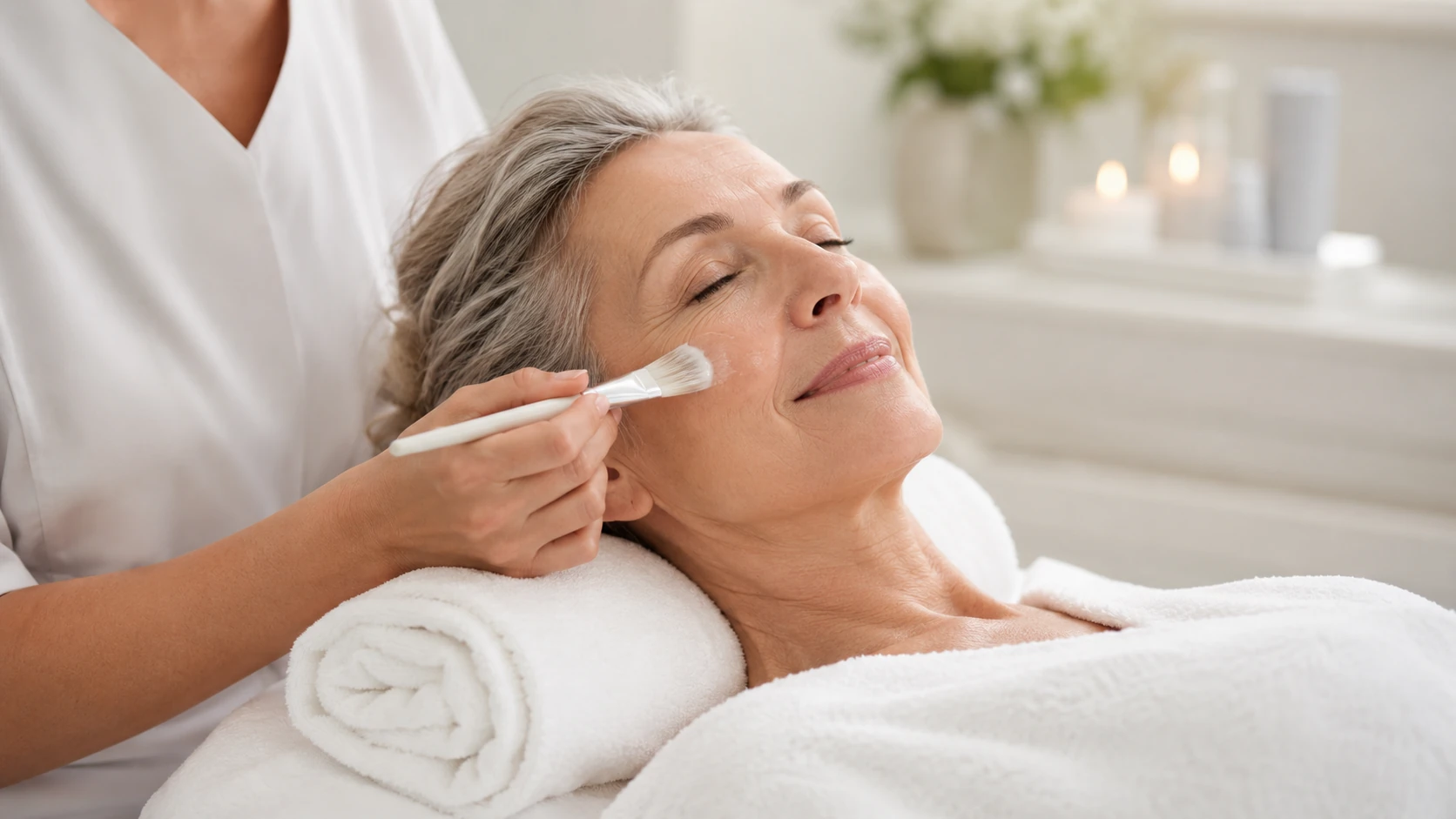 Anti-aging facials for mature skin over 50 work very differently from the brightening or hydration treatments that may have served you well in your 30s and 40s, and knowing what to expect helps you choose a treatment that actually fits how your skin has changed. At The Facial Center in Charleston, WV, we see patients every week who want healthier, more refreshed skin without going further than they need to. The skin you have at 55 or 65 is not the skin you had at 35, and the products and protocols that once worked often leave mature skin feeling tight, flat, or unchanged. Anti-aging facials for mature skin over 50 work very differently from the brightening or hydration treatments that may have served you well in your 30s and 40s, and knowing what to expect helps you choose a treatment that actually fits how your skin has changed. At The Facial Center in Charleston, WV, we see patients every week who want healthier, more refreshed skin without going further than they need to. The skin you have at 55 or 65 is not the skin you had at 35, and the products and protocols that once worked often leave mature skin feeling tight, flat, or unchanged.
This post walks through how skin changes after 50, what an anti-aging facial for mature skin actually involves, what realistic results look like, and how to decide whether a facial on its own is the right starting point or whether layered treatments will serve you better. If you’ve been told over and over to just “moisturize more,” you deserve a more honest conversation about what your skin actually needs.
On This Page
How Your Skin Changes After 50
After 50, the skin you see in the mirror is responding to a stack of changes that have been building for years. Collagen and elastin, the proteins that keep skin firm and resilient, decline slowly through your 20s and 30s and then drop more sharply once estrogen levels fall during perimenopause and menopause. Many women lose a significant portion of their skin’s collagen in the first five years after menopause, which is why so many people feel like their skin “suddenly changed” in their mid-50s.
Cell turnover also slows. In your 20s, skin replaces itself roughly every 28 days. After 50, that cycle can stretch to 50 days or longer, which is why dull tone, lingering dryness, and slow-fading marks become more common. Oil production drops, the barrier becomes more reactive, and sun damage from decades ago starts to surface as uneven pigmentation, thinning, and texture changes.
What this means for skincare is straightforward: the harsh, fast-results approach that worked in your 30s often backfires on mature skin. Aggressive scrubs, high-strength glycolic peels at home, and stripping cleansers can leave the barrier sore, red, or flaky. A truly effective anti-aging facial works with the skin you have now, not against it.
What Makes Anti-Aging Facials Different for Mature Skin
A general facial cleans, exfoliates, and hydrates. An anti-aging facial designed for skin over 50 is built around a different set of priorities: rebuilding the moisture barrier, supporting circulation, layering ingredients that signal repair, and treating the skin gently enough to avoid the irritation that mature skin reacts to so quickly.
In our spa services at The Facial Center, we adapt every step of the facial to mature skin. Exfoliation leans on enzymes and lower-strength lactic acid rather than the more aggressive acids used on younger, oilier skin. Massage and lymphatic work get more time, because circulation slows with age and bringing oxygen and nutrients to the surface visibly changes how the skin looks. Hydrating serums and peptides do the heavy lifting where stripping or aggressive extractions used to.
For many patients, a Hydrafacial is one of the best starting points after 50. It cleanses, exfoliates, and infuses serums in a single appointment with very little downtime, which makes it gentle enough for sensitive mature skin while still producing visible results. Other patients respond better to traditional facials that include longer massage and mask phases. The right choice depends on your skin, your goals, and how reactive your skin tends to be on any given week.
What to Expect at Your First Appointment
The first visit usually starts with a real conversation. Our provider will look at your skin under good lighting, ask about your routine and history (sun exposure, hormone changes, medications, past treatments), and discuss what is realistic for the timeline you have in mind. This is the step many spas skip, and it’s also the step that makes care for mature skin actually work.
From there, a typical appointment runs 60 to 75 minutes and moves through these phases:
| • |
Cleansing – a gentle double cleanse to remove makeup, sunscreen, and surface buildup
|
| • |
Exfoliation – an enzyme or mild acid step matched to your skin’s tolerance
|
| • |
Extractions if needed – light and only where appropriate, since mature skin rarely needs aggressive work
|
| • |
Targeted serums – peptides, antioxidants, hyaluronic acid, and growth-factor blends pressed into the skin
|
| • |
Massage – facial and neck massage to stimulate circulation and lift
|
| • |
Mask – chosen for hydration, calming, or firming based on how your skin presents that day
|
| • |
Finish – a moisturizer suited to mature skin and broad-spectrum SPF |
Most people leave with skin that looks calm, hydrated, and noticeably brighter. Some warmth or mild redness right after is normal and settles within a few hours.
Realistic Results and Ongoing Maintenance
Honest expectation-setting is part of how we work. A single anti-aging facial gives you a visible glow, smoother texture, and softer fine lines for several days, sometimes longer. What it doesn’t do is rebuild collagen that has already declined, lift skin that has lost its structural support, or erase deep wrinkles permanently. Anyone promising that from a facial alone is overselling.
What facials do well is maintain the gains you make from other treatments and keep your skin functioning at its best between bigger interventions. Patients who come in every four to six weeks tend to see steady improvements in tone, hydration, and softness over a few months. Paired with a smart at-home routine and daily SPF, that consistency is what changes the skin’s baseline over time.
When facials alone aren’t enough, our team can layer in other treatments that work alongside them. Microneedling, the PicoSure laser, radiofrequency microneedling, and injectables each address something facials cannot. Many of our patients combine a facial routine with one or two other treatments per year for a more complete plan, and we walk you through which combinations make sense based on what you most want to improve.
Choosing the Right Treatment for Your Skin
Before you book, it helps to know what you most want to address. Hydration and dullness respond well to traditional anti-aging facials and Hydrafacials. Texture and fine lines often need exfoliating treatments layered with peptides or growth factors. Pigmentation from sun damage usually calls for a different approach, like a peel or laser series, with facials supporting recovery in between. Loss of firmness usually requires more than topical treatments to truly change.
If you are looking for a sustainable rhythm between bigger treatments, ask about membership through The Facial Club. Members receive a monthly service plus year-round savings on injectables and other treatments, which makes consistent care easier to budget. Meeting with one of our skincare providers for a full skin assessment is always the most useful starting point if you’re not sure what tier of treatment fits your goals.
Caring for Mature Skin in Charleston
If you’re ready to try an anti-aging facial built for your skin after 50, our team at The Facial Center would love to meet you. We see patients at our Charleston and Teays Valley offices and will help you build a plan that fits your skin, your schedule, and your goals. Call us at 304-205-6123 or visit our homepage to get started.
Frequently Asked Questions
How often should someone over 50 get an anti-aging facial?
For most patients, every four to six weeks is the sweet spot. That schedule keeps the barrier strong, supports your slower cell turnover cycle, and lets the active ingredients build on each other over time. If you are just starting out, a series of three to four facials spaced closer together can help establish a healthier baseline before moving to a maintenance rhythm.
Will one anti-aging facial make a noticeable difference?
Yes, you should leave with visibly more hydrated, softer, and brighter skin, and that glow generally lasts several days. Lasting changes in texture, fine lines, and tone, though, come from regular treatments combined with consistent home care and daily sun protection.
Can I get an anti-aging facial if I use prescription retinoids?
Often yes, but we usually ask you to pause your retinoid for several days before and after to avoid irritation. Mature skin on long-term retinoids can be more reactive than it feels, and we adjust the exfoliation step of the facial accordingly.
Are anti-aging facials safe during or after menopause?
They are safe and often especially helpful, since hormonal shifts during this window tend to leave skin drier, thinner, and more reactive. We tailor product choices to skin that has changed with hormone fluctuations and avoid steps that strip an already-compromised barrier.
What is the difference between an anti-aging facial and a Hydrafacial?
An anti-aging facial typically includes more hands-on massage, longer mask and serum phases, and customization through individual products. A Hydrafacial uses a specialized device to cleanse, exfoliate, and infuse serums in one streamlined treatment with little to no downtime. Both work well for mature skin, and many of our patients alternate between them across the year.
Can I combine an anti-aging facial with Botox or filler?
Yes, but timing matters. Most providers recommend spacing a facial at least one to two weeks away from a Botox or filler appointment so that massage and product application don’t affect freshly placed injectables. Our team will help you plan a sequence that protects the results of both treatments.
|
|