What Is Radiofrequency Microneedling and How Does It Differ from Traditional Microneedling?
Posted on 3/16/2026 by The Facial Center |
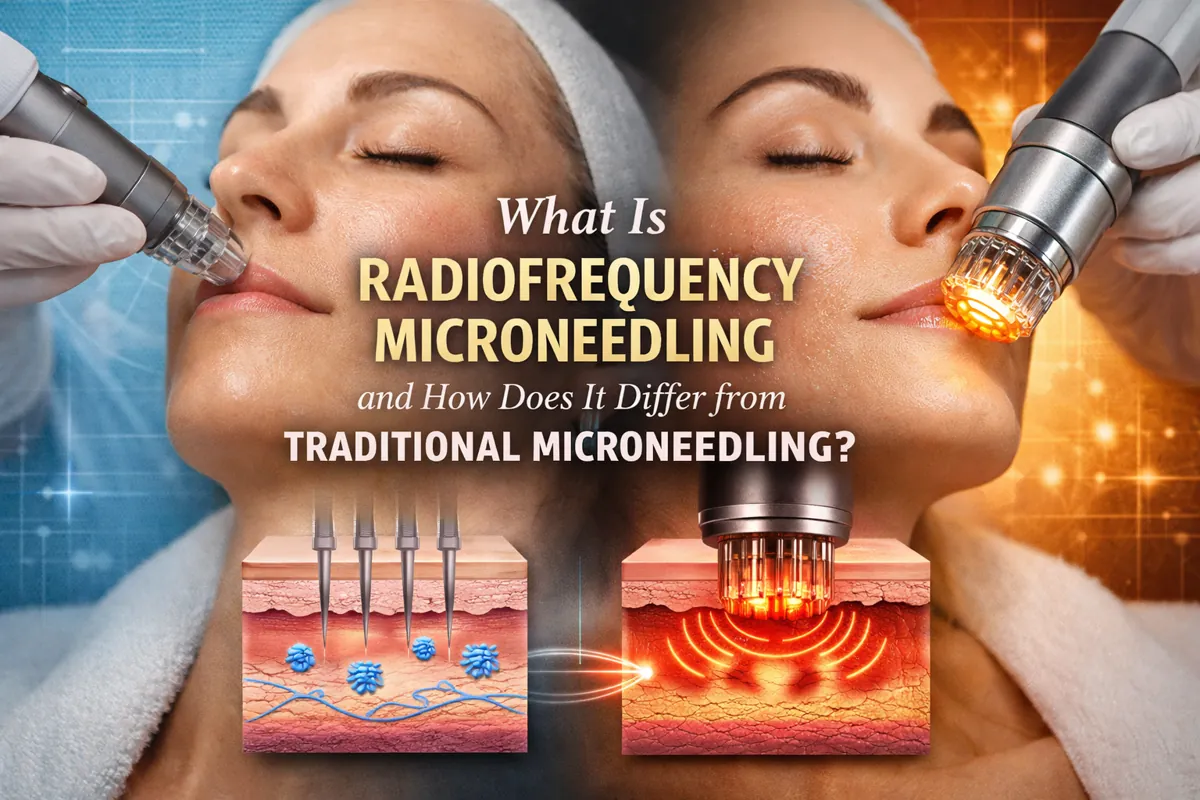 Radiofrequency microneedling and traditional microneedling both use tiny needles to rejuvenate the skin, but they work in fundamentally different ways and produce different levels of results. If you’ve been researching skin tightening, scar reduction, or anti-aging treatments in Charleston, WV, you’ve likely seen both options and wondered which one is worth your time and investment. The answer depends on your skin concerns, your goals, and how deep you want the treatment to go. Radiofrequency microneedling and traditional microneedling both use tiny needles to rejuvenate the skin, but they work in fundamentally different ways and produce different levels of results. If you’ve been researching skin tightening, scar reduction, or anti-aging treatments in Charleston, WV, you’ve likely seen both options and wondered which one is worth your time and investment. The answer depends on your skin concerns, your goals, and how deep you want the treatment to go.
This guide explains how each treatment works, what sets radiofrequency microneedling apart from standard microneedling, and which option tends to be the better fit for specific skin concerns. Our team performs both treatments regularly, and we find that understanding the differences helps clients make more confident decisions about their care.
On This Page
How Traditional Microneedling Works
Traditional microneedling, sometimes called collagen induction therapy, uses a device fitted with fine, sterile needles that create thousands of tiny punctures in the skin’s surface. These micro-injuries are intentional. They trigger the body’s natural wound-healing response, which ramps up production of collagen and elastin, the two proteins responsible for keeping skin firm, smooth, and resilient.
As the skin repairs those micro-channels over the following weeks, it rebuilds itself with fresh tissue. The result is gradual improvement in texture, tone, and overall skin quality. Traditional microneedling is effective for mild to moderate concerns like fine lines, light acne scarring, enlarged pores, and dull or uneven skin texture. It’s a well-studied treatment that has been used in dermatology and aesthetics for over two decades.
The depth of the needles can be adjusted depending on the treatment area and the concern being addressed. Shallower depths work well for general texture refinement, while deeper settings can target more pronounced scarring. A topical numbing cream is applied before the procedure to keep discomfort minimal. Most sessions take 30 to 45 minutes, and the skin typically looks pink or mildly red for one to three days afterward, similar to a mild sunburn.
One of the biggest advantages of traditional microneedling is its versatility. It works on nearly all skin types and tones with a low risk of post-inflammatory hyperpigmentation, which makes it a safer option for patients with darker complexions compared to certain laser treatments.
How Radiofrequency Microneedling Works
Radiofrequency (RF) microneedling builds on the foundation of traditional microneedling and adds a second layer of treatment. The device still uses fine needles to create micro-channels in the skin, but those needles are also insulated electrodes. Once the needles reach the target depth, they deliver controlled radiofrequency energy directly into the deeper layers of the dermis.
That RF energy generates heat at precise depths beneath the surface. The heat does two important things. First, it causes immediate contraction of existing collagen fibers, which produces a subtle tightening effect. Second, it creates a more intense wound-healing response than needle punctures alone, stimulating the production of new collagen and elastin at a deeper level than traditional microneedling can reach.
Because the energy is delivered beneath the skin’s surface through insulated needles, the outermost layer of skin (the epidermis) is largely spared. This is a meaningful distinction. It means RF microneedling can deliver deeper remodeling with less surface-level trauma, which translates to reduced downtime and a lower risk of complications like post-treatment discoloration. It also makes the treatment safe for a wide range of skin tones.
The level of RF energy, needle depth, and treatment pattern can all be customized by the provider. This precision allows our team to tailor each session to the specific concern being treated, whether that’s deep acne scars on the cheeks, skin laxity along the jawline, or stretch marks on the body.
Key Differences Between the Two Treatments
While both treatments involve needles and collagen stimulation, the differences in mechanism, depth, and results are significant. Here’s how they compare across the factors that matter most.
Mechanism of Action
Traditional microneedling relies solely on the physical micro-injuries created by the needles. The body’s healing response is the only driver of collagen production. RF microneedling adds targeted thermal energy to those micro-injuries, creating a dual stimulation effect. The combination of mechanical and thermal injury produces a stronger and deeper collagen remodeling response.
Depth of Treatment
Standard microneedling devices typically penetrate 0.5 to 2.5 millimeters into the skin, working primarily within the epidermis and upper dermis. RF microneedling devices can deliver energy at adjustable depths, often reaching 1 to 3.5 millimeters or deeper. More importantly, the RF energy creates a zone of thermal effect around each needle tip that extends beyond the puncture itself, widening the area of collagen stimulation beneath the surface.
Skin Tightening Capability
This is one of the clearest distinctions. Traditional microneedling improves skin texture and smoothness effectively, but it has limited impact on skin laxity. RF microneedling’s thermal energy directly addresses laxity by contracting existing collagen and stimulating deeper structural remodeling. For patients concerned about sagging along the jawline, neck laxity, or loss of firmness around the eyes, RF microneedling is the stronger option.
Recovery and Downtime
Both treatments involve a period of redness and mild swelling. With traditional microneedling, most patients experience one to three days of pink, sensitive skin. RF microneedling may produce slightly more redness and swelling that lasts two to four days, depending on the intensity of the treatment. Neither requires significant downtime, and most patients return to normal activities within a day or two. Makeup can typically be applied 24 to 48 hours after either treatment.
Number of Sessions Needed
Traditional microneedling usually requires a series of three to six sessions spaced four to six weeks apart for optimal results. RF microneedling often achieves noticeable improvement in fewer sessions; many patients see significant results after three to four treatments. Because each RF session stimulates deeper remodeling, the cumulative effect builds more quickly.
Which Skin Concerns Does Each Treat Best?
Both treatments are effective, but they each have strengths that make them better suited for certain concerns. Knowing which treatment aligns with your primary goal helps narrow the decision.
Traditional microneedling is an excellent choice for mild to moderate texture concerns, enlarged pores, light scarring, superficial hyperpigmentation, and overall skin refreshment. It’s also a great entry point for patients who are new to collagen-stimulating treatments and want to start with a gentler approach. Many of our clients at our Teays Valley microneedling location begin with standard microneedling and see meaningful improvements in their skin’s smoothness and clarity.
RF microneedling is the better fit when the concerns go beyond surface texture. Deep acne scars, moderate to advanced skin laxity, pronounced fine lines and wrinkles, stretch marks, and overall loss of firmness all respond more effectively to the added thermal component. Patients who have already tried traditional microneedling and want to take their results further often find that upgrading to RF microneedling delivers the next level of improvement.
It’s worth noting that neither treatment is a replacement for the other in every situation. In our experience, some patients benefit from alternating between the two or using traditional microneedling for maintenance between RF sessions. Your provider can help you build a plan that makes sense for where your skin is now and where you want it to be.
Choosing the Right Treatment for Your Goals
The best treatment is the one that matches your specific skin concerns, your comfort level, and your timeline for results. Here are a few practical considerations our Charleston and Teays Valley clients find helpful when deciding.
If your primary concern is surface-level texture, mild scarring, or general skin quality, traditional microneedling is a proven, effective starting point. It carries a lower intensity level and is often a comfortable introduction to collagen-stimulating treatments. It also pairs well with other spa services like facials and chemical peels as part of a broader skincare routine.
If you’re focused on tightening, deeper scarring, or more advanced signs of aging, RF microneedling will likely deliver the results you’re looking for more efficiently. The thermal energy component gives it a clear advantage for concerns that live deeper in the dermis. RF microneedling falls under our provider services, meaning it’s performed by our trained medical providers who can adjust the treatment parameters precisely to your needs.
Age, skin type, and previous treatments all factor into the recommendation as well. A patient in their late twenties addressing early texture concerns has different needs than someone in their fifties looking to restore firmness. Both can benefit from microneedling; the question is which version will serve them best.
The consultation is where all of this comes together. Rather than guessing, a face-to-face evaluation allows your provider to assess your skin, discuss your goals, and recommend a treatment plan tailored specifically to you.
Schedule Your Consultation
Whether you’re leaning toward traditional microneedling or ready to explore the deeper results of RF microneedling, the next step is a personalized consultation. The Facial Center offers both microneedling and radiofrequency microneedling at our Charleston, WV office, and our providers will help you choose the approach that aligns with your skin and your goals. Call us at 304-205-6123 or visit our homepage to book your appointment.
Frequently Asked Questions
Is RF microneedling more painful than traditional microneedling?
Both treatments use a topical numbing cream applied before the procedure, so most patients find either option very tolerable. RF microneedling may produce a warm sensation during the energy delivery phase, but it is not typically described as significantly more uncomfortable than standard microneedling.
Can I combine microneedling with other treatments?
Yes. Many patients combine microneedling or RF microneedling with treatments like chemical peels, facials, or injectables as part of a comprehensive skincare plan. Your provider will recommend appropriate spacing between treatments to ensure your skin heals properly between sessions.
How soon will I see results from RF microneedling?
Some patients notice improved skin texture and a subtle tightening effect within the first two weeks. The most significant results develop over two to three months as new collagen matures. Improvements continue to build with each session in a treatment series.
Is microneedling safe for darker skin tones?
Both traditional and RF microneedling are considered safe for a wide range of skin tones. Because the treatment works beneath the surface rather than targeting melanin, the risk of post-inflammatory hyperpigmentation is significantly lower than with many laser treatments. Your provider at The Facial Center will assess your skin and adjust settings accordingly.
How long do microneedling results last?
Results from a full treatment series can last six months to over a year, depending on the concern treated and your skin’s natural aging process. Most providers recommend periodic maintenance sessions once or twice a year to sustain the improvements in collagen and skin quality.
Where can I get RF microneedling in Charleston, WV?
The Facial Center offers radiofrequency microneedling as part of our provider services at our Charleston office. Our experienced providers customize every treatment to the individual patient’s skin type and goals.
|
|