Is Microblading Right for You? Everything You Need to Know Before Your Appointment
Posted on 3/6/2026 by The Facial Center |
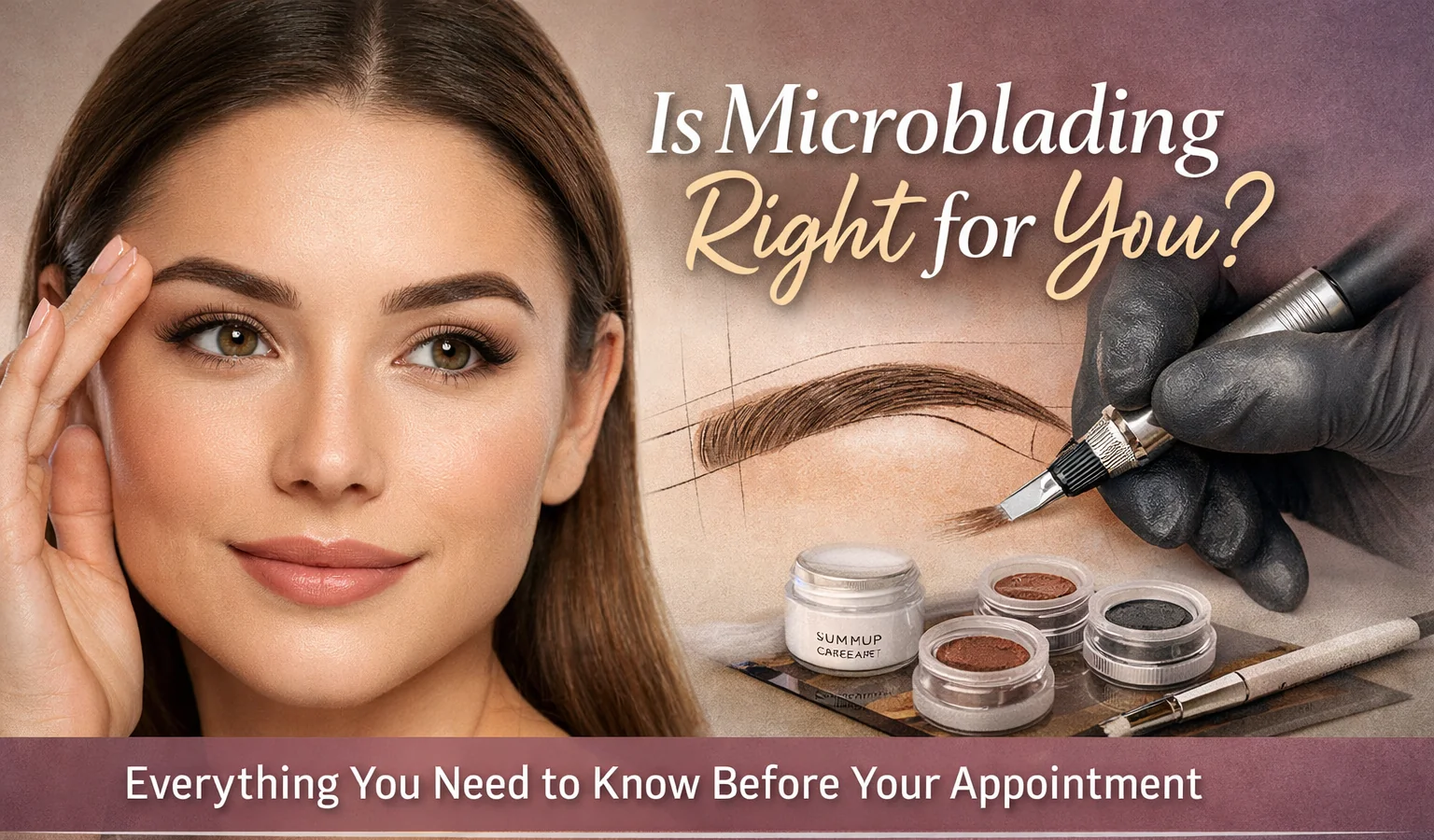 Microblading has become one of the most popular semi-permanent cosmetic treatments for people who want fuller, more defined eyebrows without the daily effort of pencils, powders, or gels. If you’ve been curious about microblading but aren’t sure whether it’s the right fit for you, you’re not alone. It’s one of the most common questions we hear from clients at our Charleston, WV office. Microblading has become one of the most popular semi-permanent cosmetic treatments for people who want fuller, more defined eyebrows without the daily effort of pencils, powders, or gels. If you’ve been curious about microblading but aren’t sure whether it’s the right fit for you, you’re not alone. It’s one of the most common questions we hear from clients at our Charleston, WV office.
This guide walks you through how microblading works, what the appointment and healing process actually look like, who makes a good candidate, and what to consider before you book. By the time you finish reading, you’ll have a clear sense of whether microblading belongs in your beauty routine.
On This Page
What Is Microblading?
Microblading is a semi-permanent cosmetic technique that creates the appearance of natural, hair-like strokes in the eyebrow area. Unlike a traditional tattoo, which uses a machine and deposits ink deep into the skin, microblading uses a hand-held tool with a row of ultra-fine needles to make shallow, precise incisions in the upper layers of the skin. Pigment is then deposited into those incisions, mimicking the look of individual brow hairs.
The result is a fuller, more defined brow shape that looks remarkably natural. Because the pigment sits in the epidermis rather than the deeper dermis, microbladed brows fade gradually over time rather than turning blue or gray the way older tattoo ink sometimes does. This is one of the reasons the technique has gained such a loyal following; the results enhance your features without looking drawn on or artificial.
Microblading is especially popular among people who have sparse brows due to over-plucking, naturally thin hair growth, alopecia, or age-related thinning. It’s also a time-saver for anyone who spends significant time filling in their brows each morning. Our team performs microblading regularly and sees firsthand how much confidence a well-shaped brow can restore.
Who Is a Good Candidate for Microblading?
Most adults in good general health are strong candidates for microblading, but a few factors can affect your eligibility or influence the approach your provider takes.
Microblading works well for people with normal to dry skin. If your skin tends to be very oily, especially in the forehead and brow area, the pigment may not retain as crisply. Oily skin can cause the hair-like strokes to blur slightly as they heal, which may result in a softer, more powdered look rather than distinct individual strokes. Your provider can assess your skin type during the consultation and let you know what to expect.
Certain medical conditions and medications may require you to wait or make adjustments. If you are pregnant or nursing, most providers will ask you to postpone the treatment. Blood-thinning medications (including aspirin and some supplements like fish oil and vitamin E) can increase bleeding during the procedure, which affects pigment retention. If you have a history of keloid scarring, microblading may not be recommended because the technique involves small incisions. Patients with active skin conditions in the brow area, such as eczema, psoriasis, or acne, should wait until the area has cleared.
If you’ve had Botox in the forehead area, it’s best to wait at least two weeks after your injection before microblading. This allows the Botox to settle so your brow position is stable during the shaping process.
The ideal candidate is someone who wants a natural-looking enhancement, understands that results are semi-permanent (not permanent), and is willing to follow aftercare instructions carefully. Realistic expectations go a long way toward a satisfying outcome.
What to Expect During Your Appointment
Knowing what happens step by step takes the uncertainty out of the experience. Here’s a realistic overview based on how we approach microblading at our offices.
The Consultation and Brow Mapping
Every microblading appointment begins with a thorough consultation. Your provider will discuss your goals, evaluate your skin type, and review your medical history. Then comes brow mapping, which is arguably the most important part of the process. Using precise measurements of your facial structure, your provider will sketch the ideal brow shape directly onto your skin with a removable pencil. You’ll review and approve the shape before any pigment touches your skin.
This collaborative step ensures the final result complements your unique bone structure, eye shape, and facial proportions. A question our team hears frequently is, “Will my brows look natural?” The brow mapping process is specifically designed to guarantee they do.
Pigment Selection
Your provider will select a pigment color that matches your natural brow hair, skin undertone, and hair color. The goal is a shade that looks authentic in all lighting conditions. Pigment selection is more nuanced than it might seem; an experienced provider accounts for how the color will shift slightly as it heals and settles into the skin over the following weeks.
The Microblading Process
Once the shape and color are finalized, your provider applies a topical numbing cream to the brow area. This typically sits for 20 to 30 minutes to ensure comfort during the procedure. When the area is sufficiently numb, your provider begins creating the hair-like strokes using the hand-held microblading tool. Each stroke is placed individually, following the natural direction of your existing brow hair for the most realistic appearance.
The actual stroking process usually takes 45 minutes to an hour. Most clients describe the sensation as a light scratching or pressure; it is not the intense discomfort many people expect. Additional numbing can be applied during the session if needed. Your provider works carefully, building density and shape gradually to achieve a balanced, natural result.
The Healing Process
Healing is the phase that surprises most first-time microblading clients, because your brows will go through several visible stages before settling into their final appearance. Understanding this timeline helps set expectations.
During the first few days after your appointment, your brows will appear noticeably darker and bolder than the final result. This is completely normal. The pigment is still sitting on the surface of the skin and hasn’t yet settled into the shallow incisions. Some mild redness and tenderness around the brow area is expected and typically resolves within 24 to 48 hours.
Around days three through five, you may notice light flaking or scabbing. This is part of the natural healing process. It is critical that you do not pick, scratch, or peel any flaking skin. Pulling off scabs prematurely can remove pigment and create uneven patches in the finished brows. Let the flaking happen on its own.
Between days seven and fourteen, the brows will enter what many people call the “ghosting” phase. The strokes may appear faded or even seem to disappear partially. This can be alarming if you’re not expecting it, but it’s a normal part of healing. The pigment is still present beneath the surface; it becomes more visible again as the skin finishes regenerating.
By weeks four through six, your brows will have settled into their true color and shape. This is also when your touch-up appointment is typically scheduled. The touch-up allows your provider to fill in any areas where pigment didn’t retain evenly and refine the shape if needed. The touch-up is considered a standard part of the microblading process, not a sign that something went wrong.
Aftercare Essentials
Proper aftercare directly affects how well your brows heal and how long the results last. Your provider will give you specific instructions, but the general guidelines include keeping the brow area dry for the first 10 days (no swimming, saunas, or heavy sweating), avoiding makeup on the brows during healing, applying any recommended aftercare ointment as directed, and staying out of direct sunlight. Sun exposure can fade pigment quickly, even after the brows are fully healed, so ongoing SPF protection around the brow area is a smart long-term habit.
How Long Microblading Results Last
Microblading results typically last between one and three years, depending on several factors. Skin type plays the biggest role; clients with drier skin tend to retain pigment longer, while oilier skin types may see faster fading. Sun exposure, skincare products containing retinoids or acids, and how closely you follow aftercare instructions all influence longevity as well.
Most clients schedule an annual touch-up appointment to keep their brows looking fresh and defined. Some prefer to let the pigment fade naturally and then decide whether to redo the treatment. Either approach is perfectly fine.
It’s also worth noting that microblading pairs well with other brow and lash services. Many of our clients combine their microblading maintenance with lash and brow tinting to create a polished, low-maintenance look that holds up through workouts, weather, and everyday life. Our spa services menu includes several options that complement microbladed brows beautifully.
Book Your Microblading Consultation
The best way to find out whether microblading is right for you is a personalized consultation where a trained provider can evaluate your skin, discuss your goals, and answer your questions in detail. The Facial Center offers microblading in Charleston and at our Teays Valley location, making it easy for West Virginia residents to access this service close to home. Call us at 304-760-4000 or visit our website to schedule your appointment.
Frequently Asked Questions
Does microblading hurt?
Most clients describe the sensation as a light scratching rather than sharp discomfort. A topical numbing cream is applied before the procedure begins and can be reapplied during the session. Sensitivity varies from person to person, but the majority of clients find the experience very manageable.
How long does a microblading appointment take?
Plan for approximately two to two and a half hours for your initial appointment. This includes the consultation, brow mapping, numbing time, and the microblading process itself. Touch-up appointments are shorter, usually around one to one and a half hours.
Can I get microblading if I have very little natural brow hair?
Yes. Microblading is an excellent option for people with sparse brows, gaps, or significant thinning. Your provider can create a full brow shape from scratch using precise hair-like strokes that mimic natural growth patterns. The key is choosing an experienced provider who understands facial symmetry and brow design.
What is the difference between microblading and a brow tattoo?
Traditional brow tattoos use a machine to deposit ink deep into the dermis, resulting in a permanent mark that can shift in color over time. Microblading uses a hand-held tool to place pigment in the shallower layers of skin, creating finer strokes that fade naturally over one to three years. The result is more natural-looking and easier to adjust as trends and preferences evolve.
Why is a touch-up appointment necessary?
The touch-up, typically scheduled four to eight weeks after the initial session, allows your provider to assess how your skin retained the pigment and fill in any areas that healed unevenly. Skin heals differently from person to person, so the touch-up is a standard step to ensure the best possible final result.
Where can I get microblading in the Charleston, WV area?
The Facial Center provides professional microblading services at both our Charleston office and our Teays Valley location. Our trained providers specialize in creating natural, customized brow shapes tailored to each client’s features.
|
|